
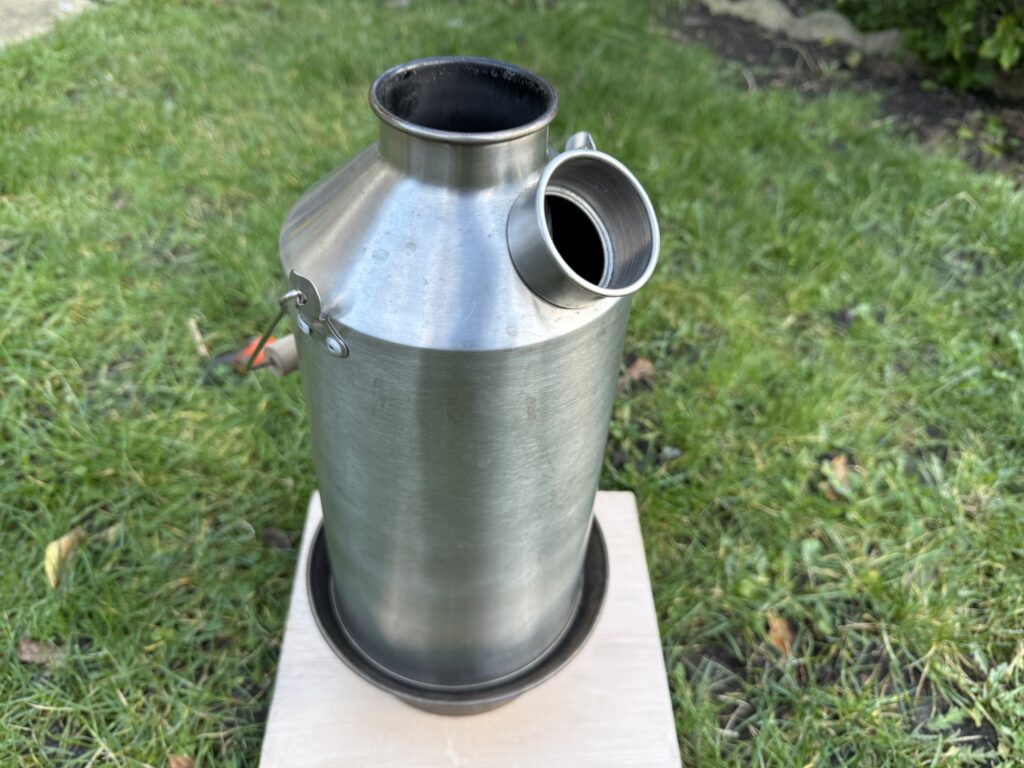
Let’s talk about that piece of kit gathering dust in your Scout Stores. You know the one, vintage-looking, undeniably cool, and probably untouched since that bushcraft skills day three years ago. I’m talking about the Kelly Kettle.
I’d wager 90% of Scout groups own at least one. They’re everywhere online, they look fantastic, and there’s genuine heritage behind them. But here’s my confession: I’ve stopped using mine on Scout camp entirely. Let me explain why and see if you agree or think I’m completely wrong.
A Brief History
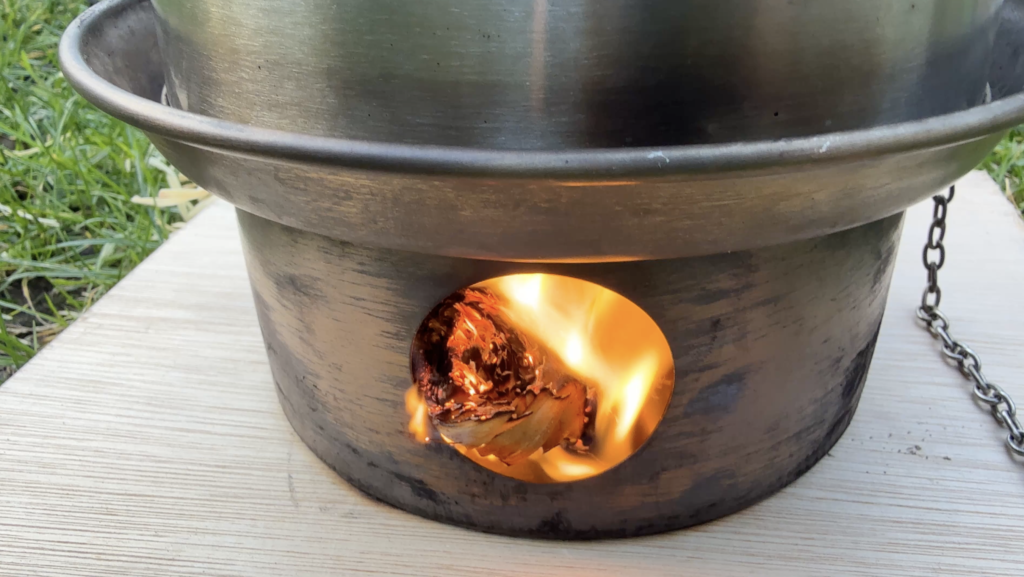
For those unfamiliar, the Kelly Kettle was designed back in 1880 in County Mayo, Ireland, by fisherman Patrick Kelly. His goal was beautifully simple: boil water for tea in horrible wet Irish weather without carrying fuel. Just use what nature provides, twigs, pine cones, whatever’s at hand. The design is elegantly straightforward: feed the fire at the top of the chimney, the chimney effect does its work, and steam rises from the top like a mini volcano. Job done.
The Case FOR the Kelly Kettle
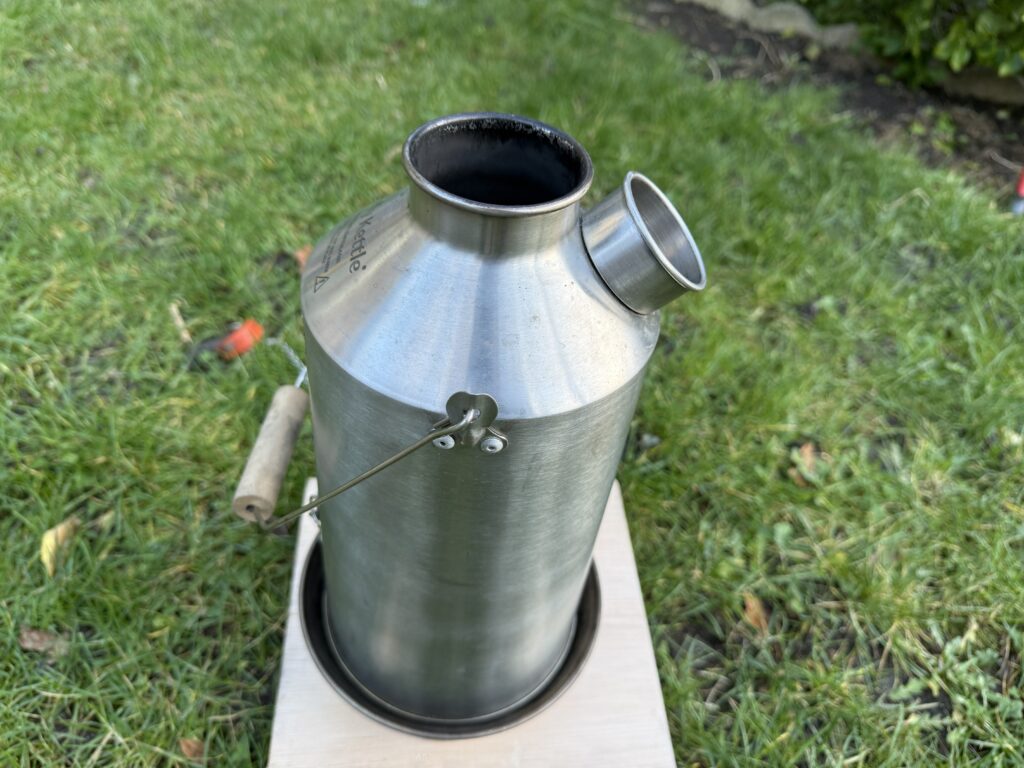
I’ll give credit where it’s due. There are genuine benefits to this bit of kit:
It’s an excellent teaching tool. For fire lighting skills and teamwork, few things beat gathering around a Kelly Kettle with your Scouts. You’re teaching them to source wood, grade it by size, create kindling, and maintain a fire,all fundamental bushcraft skills.
It works in all weathers. Particularly when it’s windy, the Kelly Kettle’s chimney design actually thrives where other methods might struggle.
Zero fuel required. You’re not lugging gas canisters or meths bottles. Mother Nature provides everything you need.
It looks fantastic. There’s something genuinely satisfying about watching flames shoot up through the top. It’s engaging, it’s visual, and it gets Scouts excited about outdoor cooking.
But Here’s the Problem…
After owning three (or was it four?) Kelly Kettles for the past 10-12 years, I’ve come to an uncomfortable conclusion: they’re just not practical for Scout leaders running busy programmes.
Speed Matters
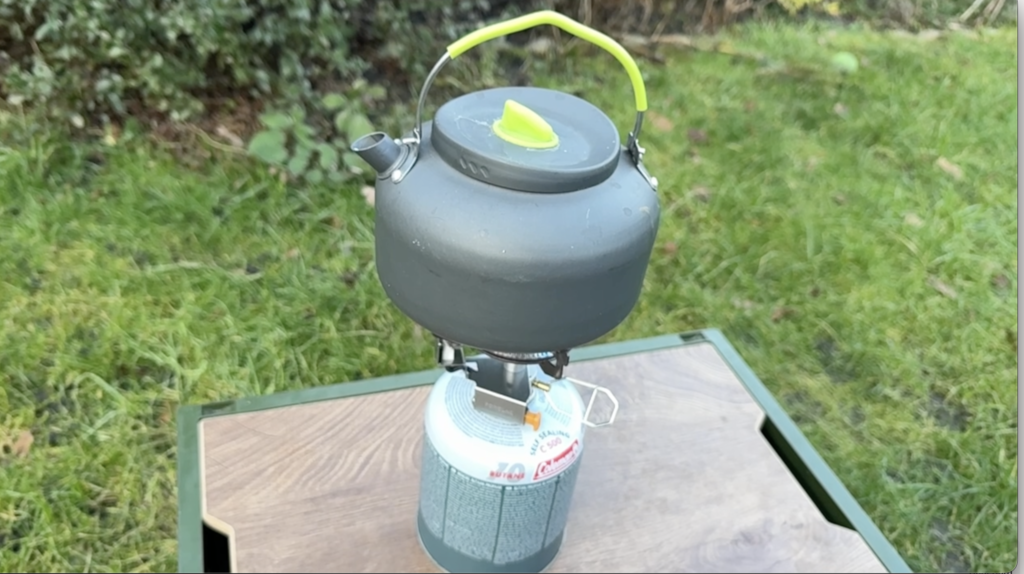
With a gas stove, you click the igniter, put the kettle on, and walk away. Three minutes later, you’ve got boiling water. With a Kelly Kettle, you need to source wood, break it down, grade it, light the fire, then constantly feed it. If you don’t add enough fuel, you won’t reach boiling point. We’re talking significantly more time for the same result.
The Attention Factor
A gas stove is fire-and-forget. A Kelly Kettle is like a needy baby, it demands constant attention. You can’t set it going while you sort out the next activity or help a Scout with their tent. You’re committed to standing there, feeding twigs into the base, or your water won’t boil.
Capacity Issues
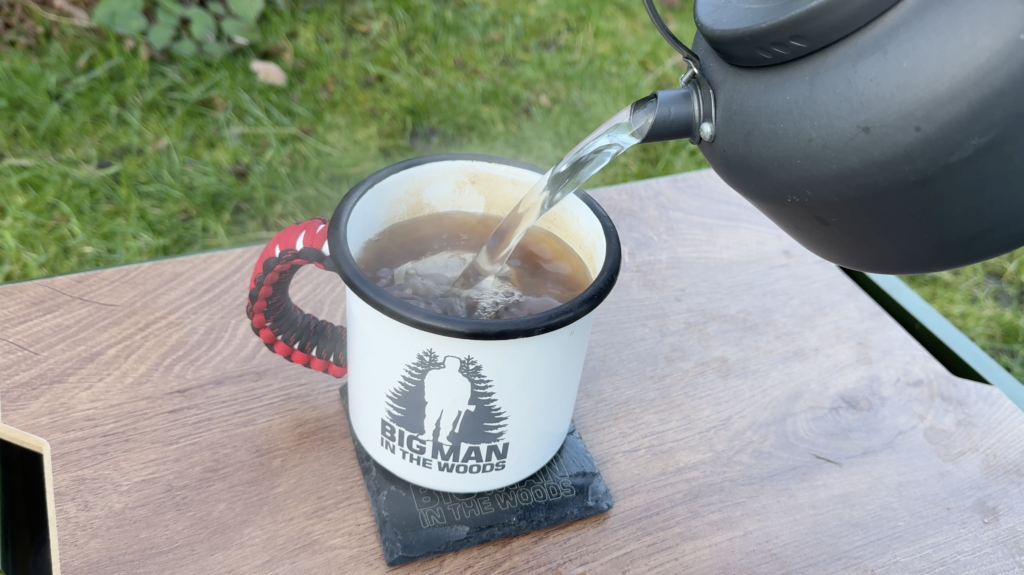
When you need hot drinks for twenty Scouts plus Leaders, a Kelly Kettle falls short. You can put a massive kettle on a gas stove and boil ten litres in one go. The Kelly Kettle? You’ll get enough for a handful of cups, then you need to restart the entire process. More wood, more fire lighting, more waiting.
The Practicality Test
Here’s the real-world check: if you’re in the middle of a campfield with no woods nearby, your Kelly Kettle is effectively useless. You’re dependent on having significant natural fuel sources available, which isn’t always guaranteed.
Size and Mess
They’re bulky and cumbersome to transport. And let’s be honest, you’ll come away with sooty, blackened hands. When you’re trying to run a tight programme, that messiness adds up.
The Shed Test
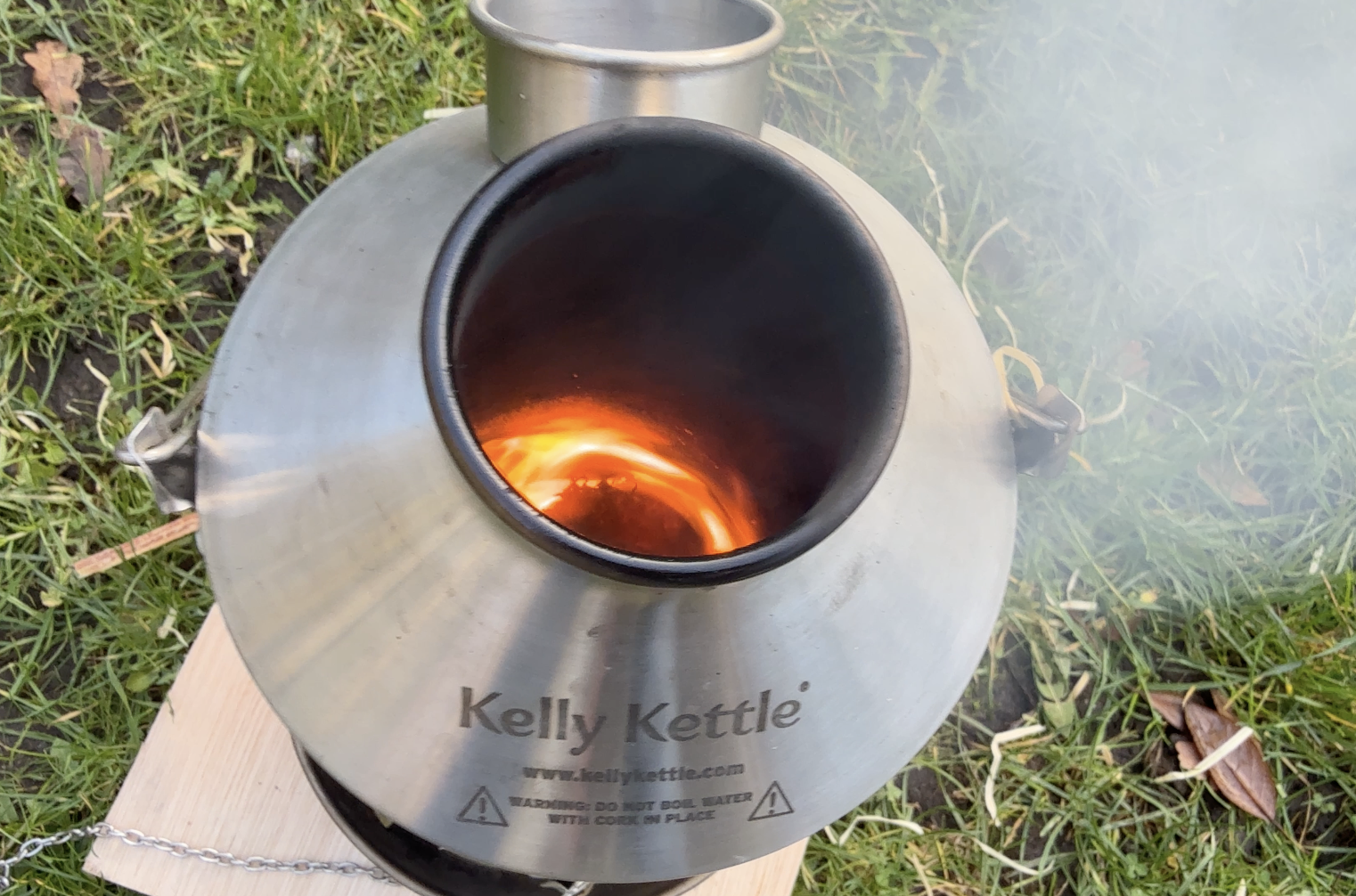
I bought my Kelly Kettles after seeing them in action at a Bushscout Skills Day a number of years ago. We ran a Kelly Kettle Challenge, Scouts battoning wood, making feather sticks, racing to boil water. It was brilliant. One patrol managed boiling water in four minutes. Everyone loved it.
But here’s the damning evidence: those kettles have lived in the back of my shed for over a decade. They only emerge for skills events, never for actual Scout camps. When I genuinely need boiling water for my troop, I reach for the gas stove or the big kettle every single time.
So Where Does That Leave Us?
The Kelly Kettle isn’t a bad bit of kit. It’s excellent for what it does. For dedicated bushcraft sessions, teaching fire skills, or creating that atmospheric campfire experience, it’s genuinely valuable. The teamwork element is real, and there’s something special about Scouts working together to coax that fire into producing steam.
But for actual Scout camp? When you need hot chocolate for twenty cold Scouts at 9pm? When you’re running a tight programme and need to get drinks sorted quickly between activities? I just can’t justify it anymore.
The Question for You
So, Scout Leaders: are you Team Kelly Kettle or are you with me on this? Maybe you’ve never jumped on the trend and you’re wondering what all the fuss is about. Or perhaps you’re one of those leaders who uses theirs regularly and thinks I’m missing the point entirely.
Have I got this wrong? Should I dig those Kelly Kettles out of the shed and give them another chance? Like the old storm lanterns many of us have rediscovered, maybe there’s a way to fall back in love with them.
Drop your thoughts in the comments. Let’s settle this debate: Kelly Kettle- essential Scout kit or beautiful but impractical relic?
Another blog post about kettles:-








No comments