
The Surprising Diversity of Scouting Spaces
I was waiting in my son’s school today, doing that familiar parent thing, waiting at pickup in the school playground, scrolling through my phone, half-watching the gates. And a thought struck me: how many Scout groups actually meet in spaces like this? In schools?
It led me down a rabbit hole of curiosity about the sheer variety of places where scouting happens. And I realized that the traditional “Scout Hut” might be less common than we think.
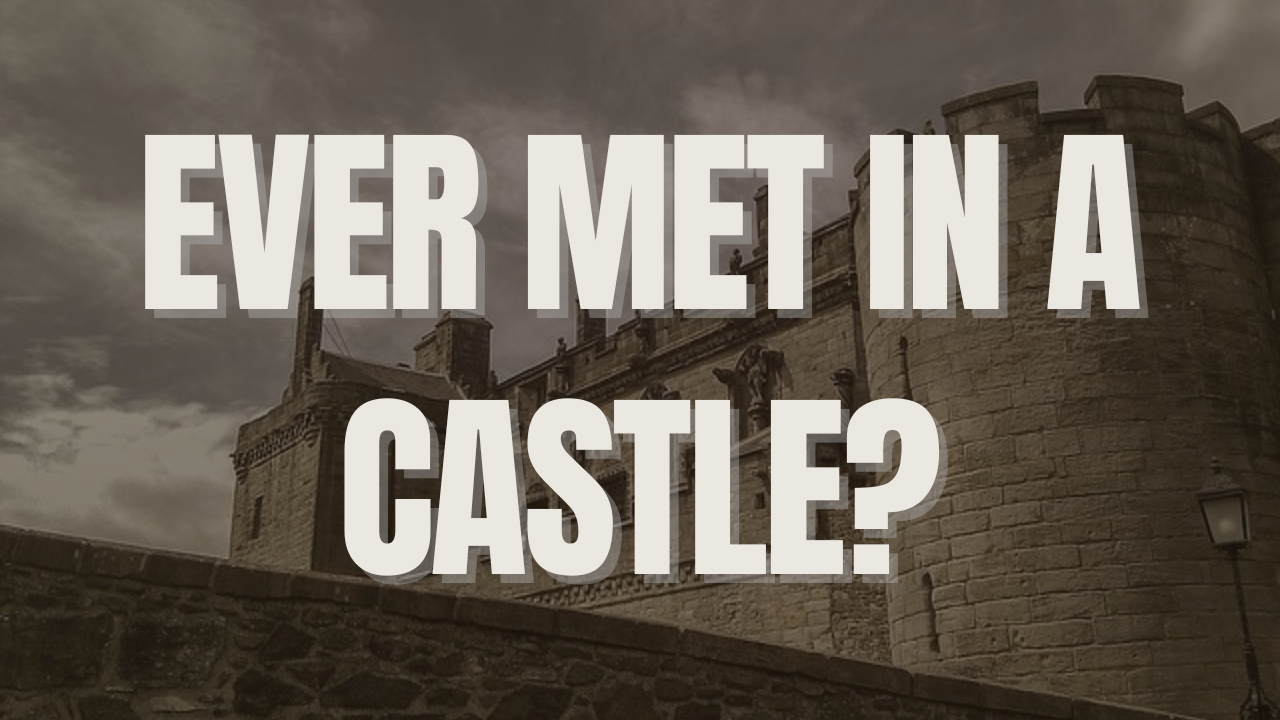
The Dream: Meeting in a Castle

Let’s be honest, there’s a romantic ideal of where Scouting should happen. When I think about the most unusual or impressive place to run a scout group, my mind goes to something like a castle. Can you imagine? Stone walls, turrets, history seeping from every corner, your Scouts gathering in a medieval great hall for their troop meeting.
Somewhere out there, that’s probably happening. And if you’re reading this and your group meets in a castle, a lighthouse, a converted railway station, or some other extraordinary building—I want to hear about it.
But for most of us, the reality is more practical. We meet where we can, in spaces that serve our community in multiple ways.
The Everyday Spaces of Scouting
That moment outside the school got me thinking about the actual geography of Scouting in our communities. Where do we really meet?
Schools
How many Scout groups operate from schools? Quite a few, I’d imagine. Schools have halls, outdoor space, facilities, and they’re already embedded in the community. For many groups, especially those without their own dedicated building, a school partnership makes perfect sense.
There’s something fitting about it, too—sharing space where young people already spend their time learning and growing.
Churches
Then there are churches. Historically, there’s been a strong connection between faith communities and Scouting. Many groups were founded by churches and still meet in church halls today.
The relationship often works beautifully—shared values around service, community, and developing young people. Plus, church halls tend to have kitchens, storage, and the kind of multi-purpose space that scouting needs.
Village Halls
Village halls are another classic. In smaller communities especially, the village hall is often the heart of local life—hosting everything from yoga classes to wedding receptions to, yes, Scout meetings.
These spaces have character. They’re neutral community ground, and there’s something democratic about sharing a building with the local drama group and the parish council.
Mosques and Other Religious Buildings
But it’s not just churches. Scout groups meet in mosques, synagogues, gurdwaras, and other religious buildings. This reflects the beautiful diversity of modern Scouting and shows how the movement has grown to welcome young people from all backgrounds.
If your group operates from a mosque or another religious building, that’s part of the story of how Scouting continues to evolve and remain relevant.
Beyond the Scout Hut
Here’s what fascinates me: while the “Scout hut” exists in our collective imagination as the default—that wooden building with peeling paint, a flagpole outside, and decades of memories soaked into the floorboards—it’s far from universal.
Many groups have never had their own dedicated building. And you know what? They’re doing Scouting just fine.
So what other spaces are out there? I’m curious about:
- Community centres that buzz with activity every night of the week
- Sports clubs where scouts might share facilities with football teams or cricket clubs
- Former industrial buildings that have been converted—old fire stations, warehouses, even disused railway buildings
- Outdoor centres where the “meeting place” is partially under the sky
- Libraries or council buildings with community spaces
- University or college facilities in towns with higher education institutions
- Military buildings with historical connections to cadet forces or local regiments
What Your Meeting Space Says About Your Group
The thing is, where you meet tells a story about your Scout group.
A group meeting in a school probably has close ties to that institution, maybe drawing most of its members from that school community. A group in a church hall might have historical roots going back decades or even a century. A group in a mosque reflects the diversity and inclusivity that modern scouting champions.
And those rare groups in castles or lighthouses or other extraordinary places? They’re probably making the most of their unique setting, weaving local history and character into their program.
But here’s the truth: the building doesn’t make the scouting.
The best scout experience I ever had wasn’t in a fancy building—it was sitting on a hillside in the rain, cooking questionable pasta over a camping stove, and laughing until our sides hurt. The space matters less than what happens inside it.
Why I’m Asking
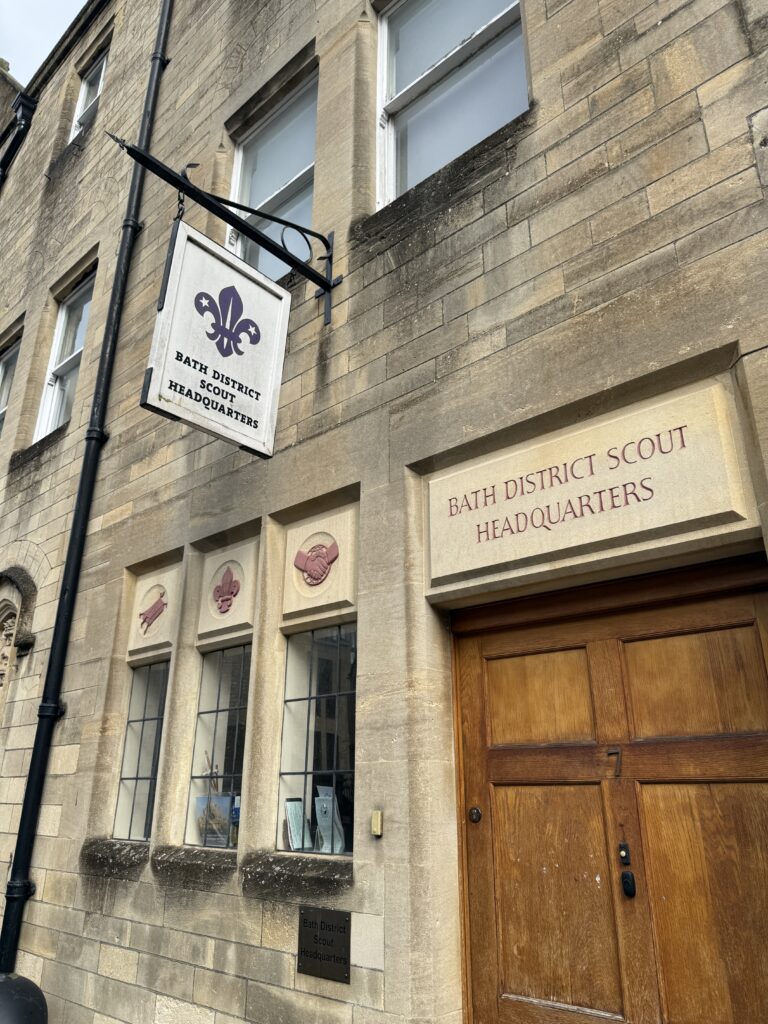
I’m genuinely curious about this because I think there’s something to learn from the diversity of our meeting spaces.
Groups that don’t have their own hut have had to be creative, resourceful, and collaborative—skills that are pretty central to scouting itself. They’ve had to build relationships with schools, faith communities, and local councils. They’ve had to make do with storage solutions and borrowed equipment.
And maybe, just maybe, that’s made them stronger.
On the flip side, groups with their own dedicated Scout hut have a home base, a space they can truly call their own, where they can leave equipment, display their history, and create a sense of ownership and pride.
Both approaches work. Both have advantages and challenges.
Over to You
So here’s what I want to know:
Where does your Scout group meet?
Are you in a traditional Scout hut, or are you borrowing space from a school, church, mosque, or village hall? Are you in some wonderfully unusual building that has its own story to tell?
And more importantly: How does your meeting space shape your scouting?
Does it create opportunities you wouldn’t have elsewhere? Does it present challenges you’ve had to overcome? Has it connected you to your wider community in unexpected ways?
I’d love to hear about it. Drop a comment below and let’s celebrate the incredible variety of spaces where scouting happens.
Because whether it’s a castle, a church hall, a school gymnasium, or a Scout hut that’s seen better days, what matters is that young people are gathering there to learn, grow, have adventures, and become the best versions of themselves.
That’s the magic of Scouting—it can happen anywhere.







No comments