
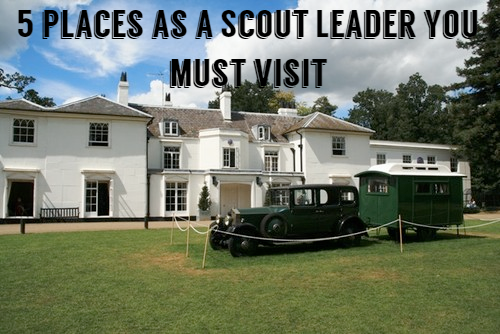
The UK is the birthplace of Scouting as we know it today. There’s alot of places you can visit and learn about the History not just of Scouting but of Lord Robert Baden Powell. Needless to say, if you live in the UK or maybe even if you’re planning a trip to the UK (be it business or pleasure), you must not miss these best places to visit in the UK as a Scout Leader. So here is The Top 5 places you need to visit in the UK as a Scout Leader in 2020
So what are you waiting for? Let’s explore.
Gilwell Park and The Oak Tree

The UK HQ for the Scout association, not only is the Head quaters of the UK Scout Association but it also houses Baden Powell memorabilia which includes Lord Baden Powell’s Death mask, BP’s caravan, The White. House, The Pig sty and not forgetting the famous Gilwell Oak Tree.
In November 1918 William de Bois Maclaren offered £7000 to buy land which could be converted into a campsite for boys from the East End of London.
Rover Scouts arrived on 17 April 1919, to start making the park suitable for camping. Unfortunately, the weather made camping impossible on the first night and they slept instead in a gardener’s shed which they nicknamed ‘The Pigsty’, which you can still see to this day on the Orchard. The estate was very neglected, and Maclaren generously donated an additional £3000 to pay for necessary works.
Gilwell was officially opened on Saturday 26 July 1919, by Mrs Maclaren who cut the ribbons at the main gate, the Estate at the time consisted of 53 acres, which included the White House, Training Ground, Orchard and the Boy’s Camping Field.
The first Camp Chief of Gilwell Park was Captain Francis Gidney who was appointed in May 1919. He formulated the early Wood Badge courses, developed the 1st Gilwell Park Scout Troop and Cub Pack (now 1st Gilwell Park Scout Group) and held the first ever Gilwell Reunion in 1921.
Read this for some random facts about Gilwell Park?
BP House
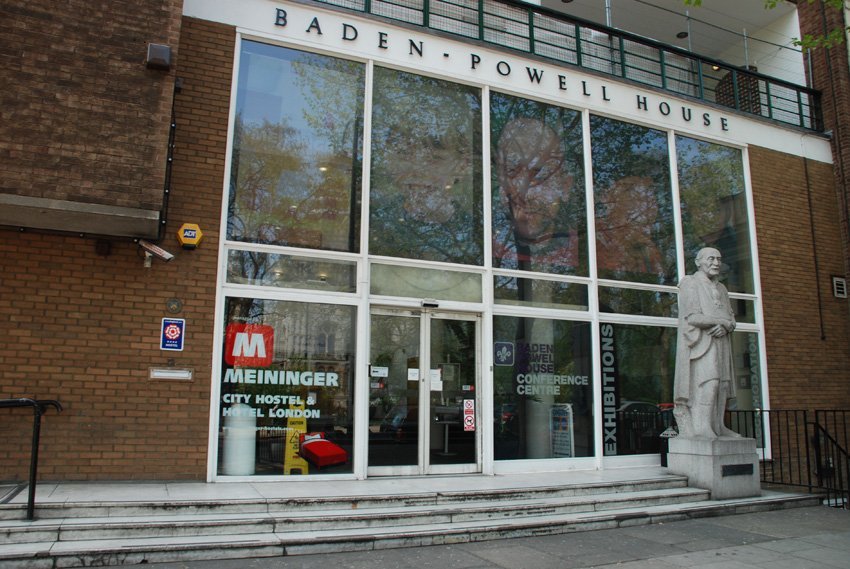
BP House is located in South Kensington, Cromwell Road . It’s a great place for an indoor stay over in Central London if your visiting London woth your Scouts. The foundation stone was laid in 1959 by World Chief Guide Olave, Lady Baden-Powell, and it was opened in 1961 by Queen Elizabeth II. Not forgetting the popular selfie spot with the three-metre high statue of Baden-Powell (the only granite statue in London), sculpted by his personal friend Don Potter.
Brownsea Island
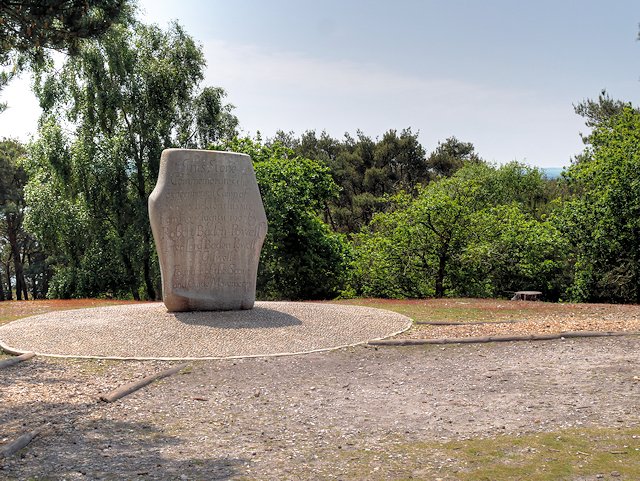
On 1 August 1907 20 boys pitched their tents on Brownsea Island, little realizing how important and far-reaching their week would be. Lord Baden-Powell’s experimental camp, based on scouting skills learnt in the army during the Boer War, set the foundation of the Scouting and Guiding movements today. Scouts and Guides still visit from all over the world to camp on the site where it all began.
It’s like your very own Scouting Pilgrimage to Visit Brownsea Island. You will also find the Trading Post where you can buy Scout and Guide badges and souvenirs. You can camp on the campsite or stay in South Shore Lodge.
The National memorial to Scouting
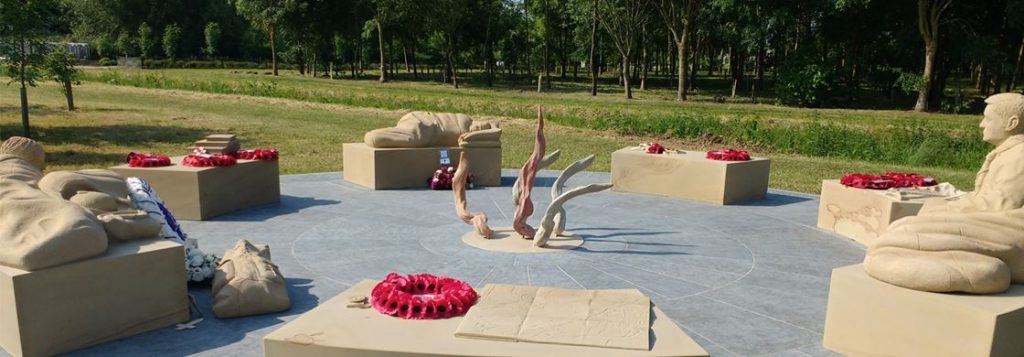
The National Memorial Arboretum. The memorial recognises the difference Scouting has made to so many and remembers the service given by the many Scouts across communities and throughout the Armed Forces. The memorial also captures the essence of Scouting’s spirit of global friendship and adventure. The Scout Memorial Project was initiated in 2009 by five 16 year old Explorer Scouts from Birmingham who visited the Arboretum. Gaining the full endorsement of the National Headquarters, The Scouting Memorial Project was launched by a team of youth and adult volunteers in Birmingham in May 2013 and has gone on to receive donations of over £200,000 primarily via £1 donations for 165,000 cloth badges that have been sent to Scouts around the world. The sculpture is a combination of pieces by Graeme Mitcheson, creator of several memorials at the Arboretum, with the central fire by Angela Connor, sculptor of Her Majesty The Queen’s 80th birthday bronze portrait displayed at Windsor Castle.
The Wimbledon Windmill.
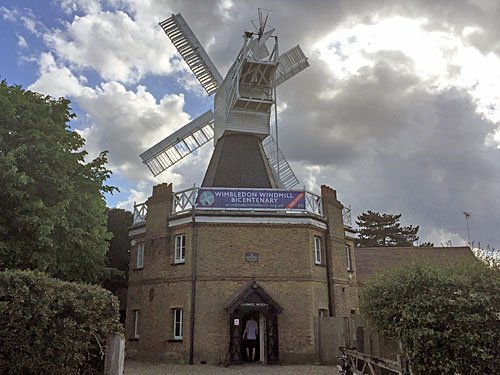
This windmill has a rather important connection with Scouting. The Windmill was built in 1817. So how does the Windmill and Scouting have common grounds? The writing of part of ‘Scouting for Boys’ by Robert Baden-Powell was written in the Mill House 1908. The windmill had a section dedicated to Scouting. You can see my vlog that I recorded when I went the Windmill.
Got you thinking now? Do not miss adding these best places to visit when you’ve got some time to travel around the UK! And if you know of any unusual places to visit, then share with us in the comments below!







6 Comments
How about THE LOOKWIDE CAMP OF 1908
Humshaugh scout campsite
Ah yes Kirk!
Another place I still need to visit–thanks for the reminder
You missed a important one. Foxlease in the new forest. BP lived there . His room was called Africa and you can stay in their and sleep on his balcony like he did if you want.
Oh wow Katherine.
Being honest with you here, I wasn’t aware of this place.
Many thanks for bringing this to my attention!
Also at Waddecar camp site near Preston, Lancashire plan a visit to the ‘Little Gem’ – The Story of Scouting & Guiding Museum…
http://www.waddecar.org.uk/things-to-do/museum/
Also at Waddecar camp site near Preston, Lancashire plan a visit to the ‘Little Gem’ – The Story of Scouting & Guiding Museum.