


As Scout leaders, we all know the importance of setting a good example for our Scouts, but there’s one question that often gets overlooked: Are Scout leaders allowed tattoos? Whether you’re a tattoo enthusiast or not, it’s something worth considering, especially as tattoos have become more common and widely accepted in society. But what does that mean for us as Scout leaders?
In this post, we’ll dive into the topic of tattoos in Scouting, balancing personal expression with respect for our Scouts, and why it’s important to be mindful of the tattoos we display while leading young people.
Personal Expression Meets Professionalism
Let’s start with a little context. I work in an operating theater as part of the anaesthetic team. Just the other day, a medical rep came in to show us some new equipment. Now, I’m used to seeing people in scrubs, so tattoos don’t phase me. But the rep was wearing a short-sleeved shirt, and his forearms were covered in tattoos. No big deal, right?

Well, his manager was with him, and when the manager noticed the tattoos, he immediately asked him to cover them up. Turns out, their company has a policy that requires employees to cover visible tattoos in professional settings. This got me thinking: What’s the deal with tattoos in Scouting? Do we have a similar policy?
The Short Answer: No Official Policy
After looking into the POR (Policy, Organisation, and Rules), I found that there isn’t a specific rule that says Scout leaders must cover tattoos. So, on paper, tattoos are allowed. However, there’s a big but—we have expectations as adult volunteers to show respect to the young people we’re working with. And that means thinking carefully about the tattoos we display while leading our Scouts.
Being Mindful of What We Show
Tattoos are a form of personal expression and art, and they’ve become much more mainstream in recent years. While I personally don’t have any tattoos, I’m not one to judge those who do. However, there are certain tattoos that might raise eyebrows, especially when we’re working with young people.\
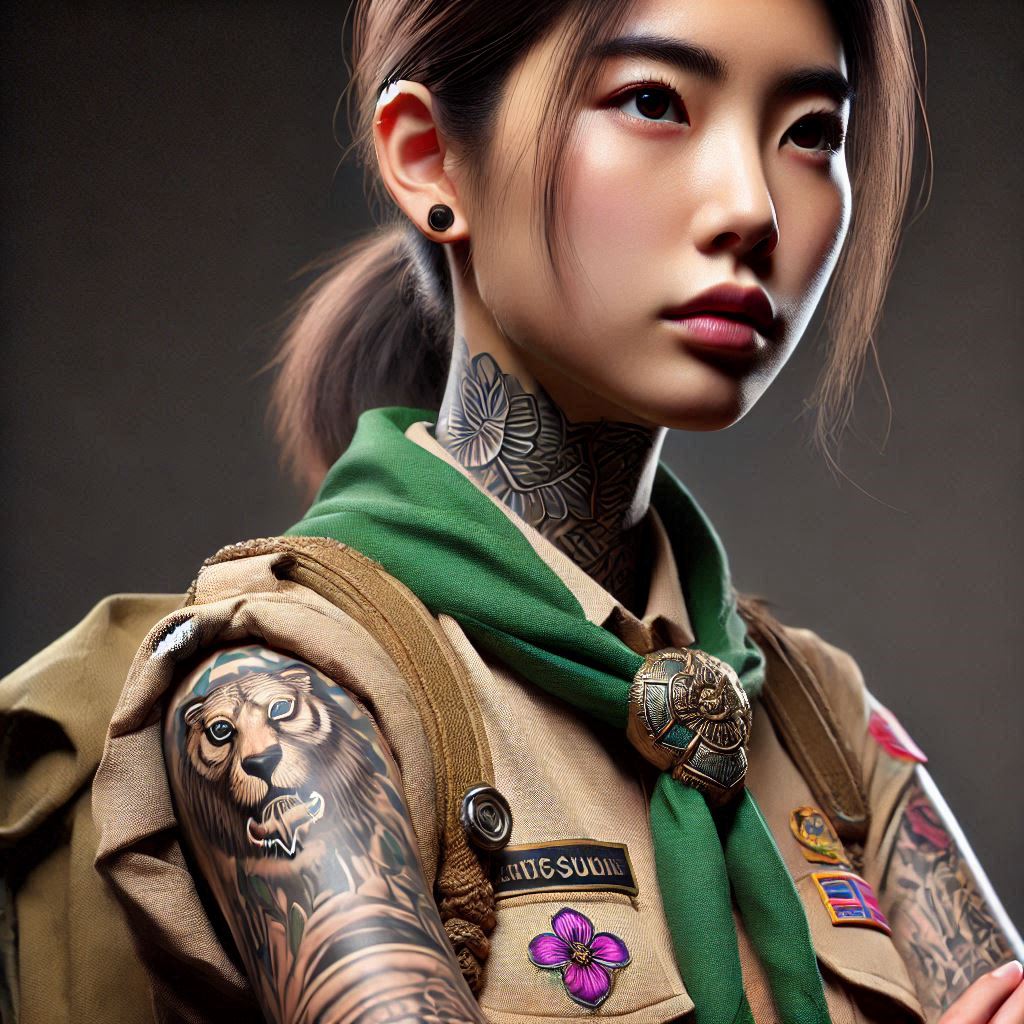
Consider tattoos that could be offensive—like some old sailor tattoos featuring risqué imagery. If you have tattoos that might be inappropriate for younger eyes, it might be best to cover them up while at Scouts. A simple long-sleeve shirt or hoodie can do the trick and ensure you’re setting the right example for your Scouts and their families.

Remember, Scouting is about more than just having fun—it’s about fostering an environment of respect, inclusion, and safety. While tattoos are generally seen as a personal choice, we need to think about the context in which we display them.
The Bottom Line: It’s About Respect
If you’re a Scout leader with tattoos, don’t worry—you’re not going to be asked to hide your tattoos simply because you have them. But if you do have tattoos that could be considered offensive or inappropriate, it’s worth taking a moment to think about how they might be perceived by others. Parents, Scouts, and other leaders might have different views on tattoos, and as a Scout leader, it’s important to be aware of that.
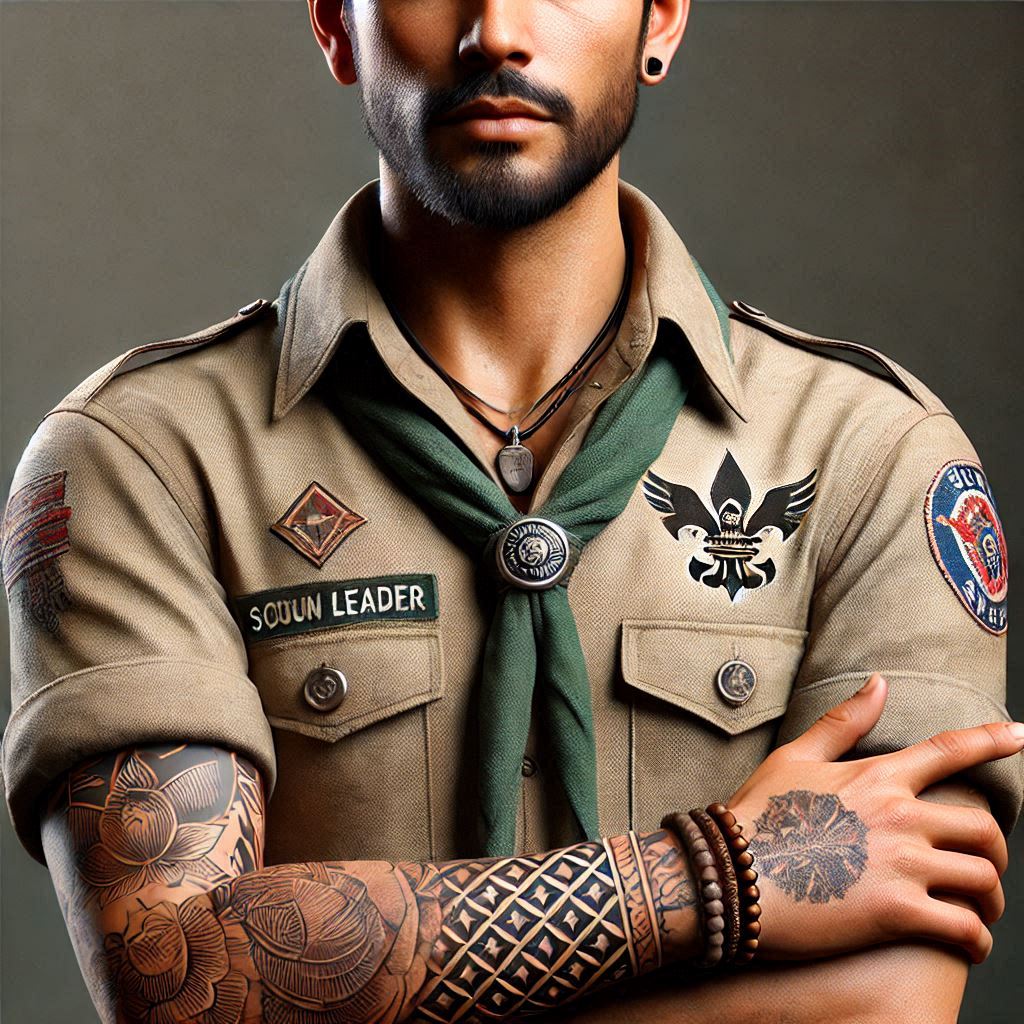
In the end, tattoos are just one part of who we are as Scout leaders. What matters most is how we lead by example, showing respect for the young people in our care and creating an inclusive environment where everyone feels comfortable.
Final Thoughts
Tattoos are a form of self-expression, but as Scout leaders, we also have a responsibility to ensure that we’re setting a positive example for the Scouts we work with. If you’re sporting tattoos that could be seen as offensive or inappropriate, consider covering them up during Scout meetings or activities. It’s not about hiding who you are—it’s about respecting the role we play in shaping young lives.
So, Scout leaders, what do you think? Have you ever had to cover up your tattoos for Scouting? Do you think tattoos should be a bigger consideration in our role as leaders? Share your thoughts in the comments below!










1 Comment
Nice,