

As Scout Leaders, one of our greatest joys is passing on skills to our young people, nurturing their abilities, and watching them grow in confidence. But Scouting isn’t just about teaching—it’s also about learning. Whether it’s picking up new outdoor techniques, honing leadership strategies, or experimenting with creative ways to connect with Scouts, we’re constantly developing ourselves to be better mentors and role models.
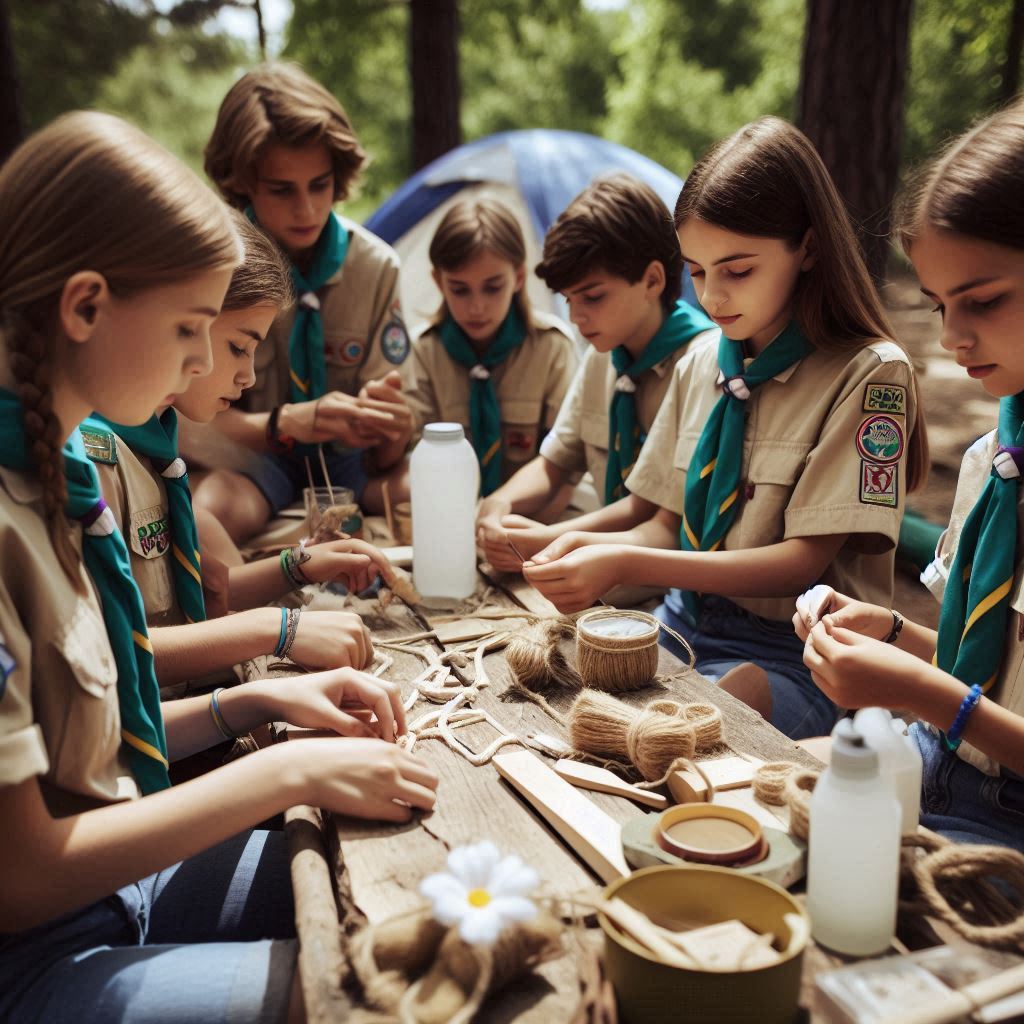
For me, one of those elusive skills has been making feather sticks—a classic campcraft essential for starting fires. The idea seems simple enough: create thin, curled shavings on a stick of dry wood, which can catch a flame easily. Yet, mastering this technique has proved to be more challenging than it looks. Watching others make it seem effortless has always been inspiring (and slightly frustrating!
Several years ago, I had the privilege of learning this skill firsthand from a close friend and incredible Scout supporter- Paul Kirtley ( Frontier Bushcraft ).

Paul’s expertise in outdoor survival and Scouting is legendary, and I’ll never forget how patiently he guided me through the basics. With his support, I managed to produce some semi-decent feather sticks—not perfect, but functional enough to feel a small sense of accomplishment. Still, I knew this was a skill I’d need to revisit and refine to truly master it.
A Lesson in Knife Skills

Feather sticks aren’t just about fire-starting—they’re a brilliant way to teach knife skills in a safe, controlled, and purposeful manner. Both Scouts and Leaders can benefit from practicing this technique, as it emphasizes blade control, precision, and patience. It’s the perfect opportunity to build confidence with handling knives while also understanding the importance of safety and respect for tools.
Teaching Scouts how to make feather sticks combines practical skill-building with a sense of accomplishment. Seeing a well-made feather stick catch a flame is incredibly rewarding—not to mention a valuable survival skill that reinforces the principles of Scouting. And as Leaders, practicing this skill ourselves helps us pass it on with greater confidence and expertise.
Why Feather Sticks Matter

Feather sticks aren’t just a neat skill for show—they’re a practical and critical tool in Scouting. Whether it’s teaching fire safety, building confidence in outdoor survival, or preparing Scouts for situations where dry kindling is scarce, this technique embodies the essence of resourcefulness and self-reliance. It’s also a meditative skill that teaches patience, focus, and persistence—qualities that benefit us all, both in the wilderness and beyond.
As Scout Leaders, we often emphasize the importance of these traits to our young people. But sometimes, we need to remind ourselves that Scouting principles apply to us, too! Challenging ourselves, practicing repeatedly, and embracing failure as part of the learning process is what keeps us growing—not just as leaders, but as individuals.
Tonight’s Attempt: The Garden Challenge

Fast forward to today, when I decided to give feather sticks another go. While the rest of the family was immersed in their world of games—Nintendo Switch and Roblox, to be exact—I headed out to the garden, armed with a knife, a piece of wood, and a stubborn determination to improve. The weather was perfect for practicing outdoors: a mild, beautiful summer evening that made the task all the more enjoyable.
I won’t sugarcoat it—my attempts weren’t flawless. The shavings were uneven, and some sticks ended up looking more like splinters than feathers. But it’s not about perfection; it’s about persistence. With every stroke of the knife, I reminded myself of the mantra I always share with Scouts: *Never give up!* Every failed attempt was another step closer to improvement, and that’s what truly matters.
The Road Ahead
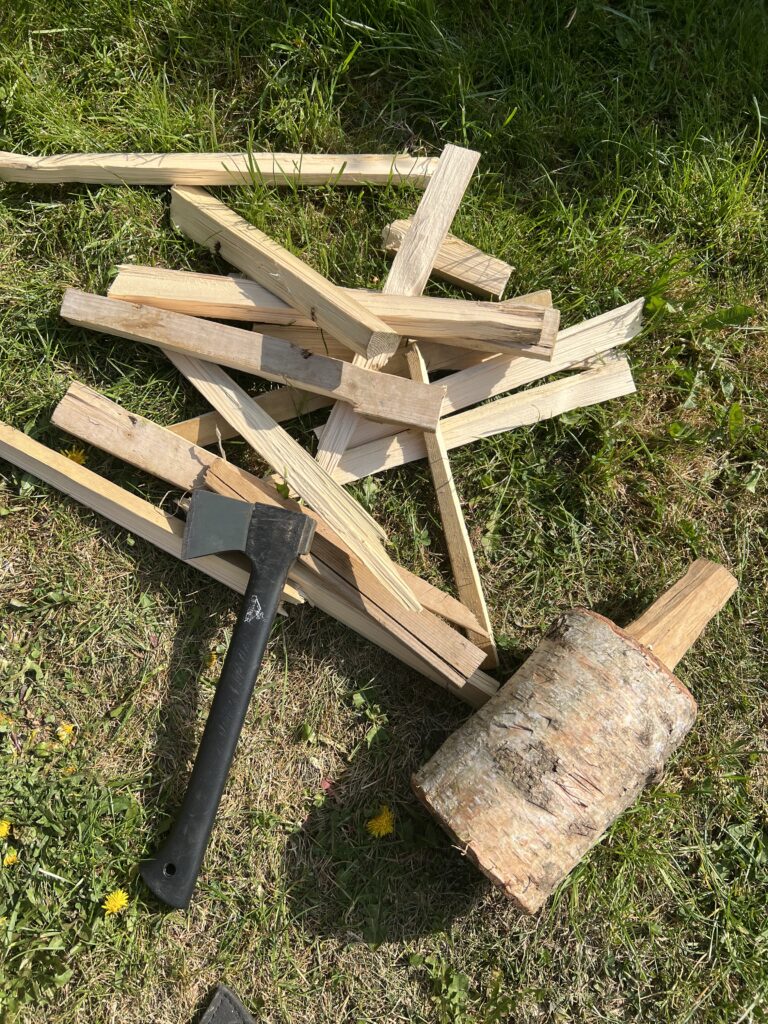
Next on my agenda is to source some fresh wood during the week—perhaps birch or pine, which tend to work well for feather sticks. With the Easter Bank Holiday around the corner, I’m planning to dedicate some time to refining my technique further. Who knows? Maybe I’ll crack the art and produce the kind of feather sticks I’ve been dreaming of. And if not, I’ll simply keep trying—because that’s what Scouting is all about- “Never Give Up!”
The Scout Leader Perspective
As Scout Leaders, we often focus so much on teaching and organizing that we forget the importance of taking time for personal growth. Whether it’s learning feather sticks, mastering map reading, or discovering creative ways to run meetings, every new skill we practice makes us better equipped to inspire our Scouts. It also serves as a reminder that learning never ends—and that we should embrace the journey as much as the destination.

So, here’s my challenge to you: What skill or campcraft are you working on right now? Is there something you’ve always wanted to learn, refine, or revisit? Share your stories—I’d love to hear about the challenges, triumphs, and lessons you’re experiencing as part of your own Scouting journey. After all, the more we grow as leaders, the stronger the impact we can make on the next generation.







2 Comments
Feather sticks really do test your patience. I remember struggling with them too, and after a while, it clicked—it’s all about consistency and getting the right angle with the blade.
and not applying too much pressure