

You’ve just put on the necker. You’re staring at a blank programme planner. And you’re thinking: “Right… what on earth do we actually do each week?”
If that sounds familiar, take a breath. You’re not alone, and it gets easier.
I recently asked experienced Scout leaders across the country one simple question: What programme-planning advice do you wish you’d had at the start? Their answers were reassuring, practical, and refreshingly honest. Here’s what they shared.

It’s Not About Churning Out Badges
Here’s the biggest mindset shift leaders wish they’d understood earlier:
The programme isn’t about ticking off badge criteria week by week.
When you step back and look across the sections—Squirrels, Beavers, Cubs, Scouts—you start to see the bigger picture. Skills build on skills. Confidence grows. Independence develops naturally.
What Squirrels do feeds into Beavers. What Beavers learn sets Cubs up for success. And Scouts? They pull it all together.
Once you stop planning in isolated weeks and start thinking in journeys, everything changes.
Badges aren’t the destination—they’re simply a framework that helps you deliver something meaningful. They’re tools, not targets.

Start Big, Then Zoom In
Most experienced leaders follow the same planning approach, and it works brilliantly:
1. Put the Big Stuff In First
- Term dates
- Camps and hikes
- Nights away
- Major events (Founders’ Day, Burns Night, remembrance parades)
- National fun days (Talk Like a Pirate Day, Pancake Day)
- Cultural celebrations (Diwali, Easter and other religious festivals)
2. Then Look at Challenges and Badges
- Which ones do you need to cover?
- Which naturally fit together?
- Which can be spread across a whole term?
3. Only Then Plan Individual Nights
This approach means you’re never scrambling to invent something from scratch every Thursday at 4pm in the car park.
Top tip: Keep your old programmes. Shared folders, cloud drives, battered notebooks—whatever works. Future you will be incredibly grateful.

Balance Still Matters (Even If the Matrix Has Gone)
The balanced programme chart might have quietly disappeared from official guidance, but the principles absolutely haven’t.
Leaders consistently emphasised the importance of variety:
- Indoors and outdoors
- Physical and creative activities
- Teamwork and individual challenges
- New skills and familiar favourites
One leader summed it up perfectly: “Nights in, nights out, visitors, cooking, heritage, communication—that’s what keeps it fresh.”
Variety isn’t a luxury. It’s what keeps young people turning up week after week.
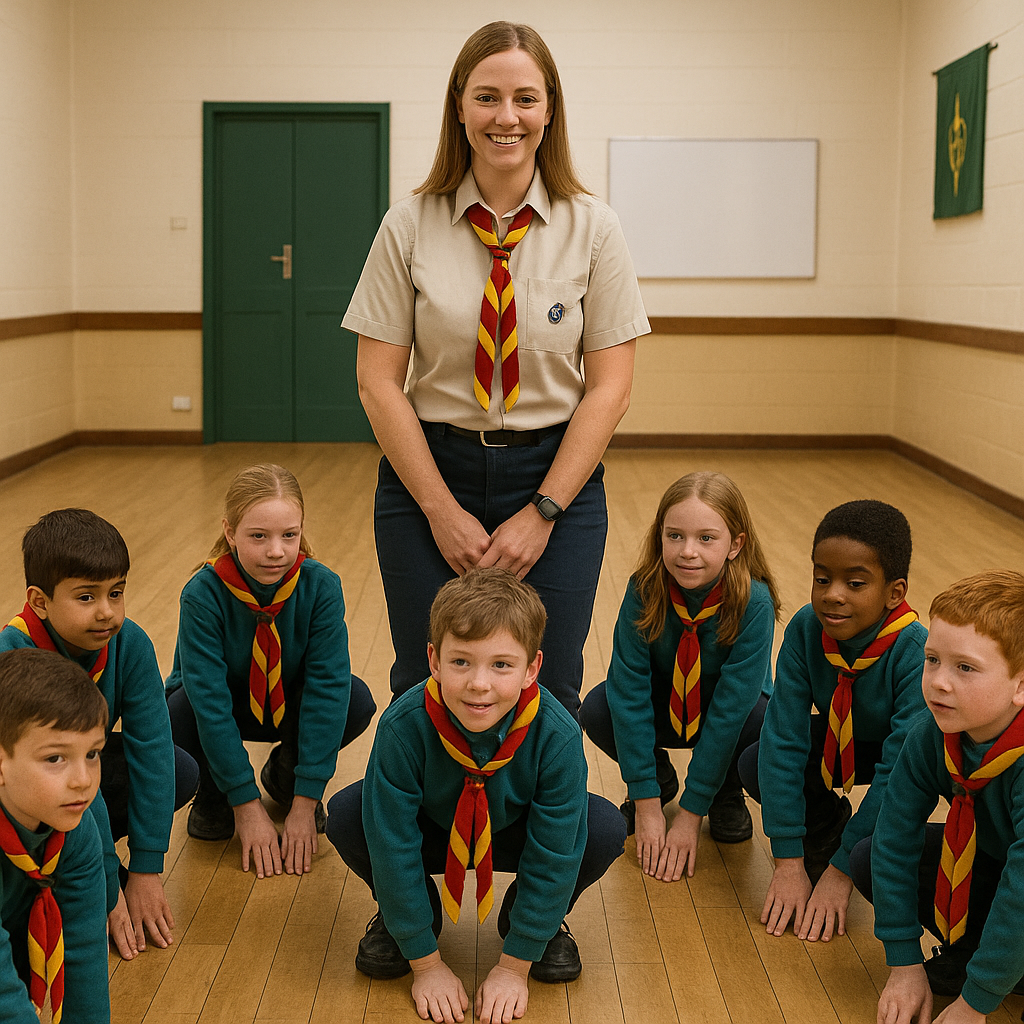
You Are Not Meant to Do This Alone
Almost every leader said some version of this:
Programme planning is better as a team sport.
Planning together:
- Brings fresh ideas when you’re stuck
- Shares the workload fairly
- Prevents burnout for the “leader in charge”
Sometimes that planning happens in formal meetings. Sometimes it happens in the pub after drop-off. Both are valid Scouting methods.
And don’t forget your wider resources:
- Young Leaders (they have brilliant ideas!)
- Parents with skills or interesting jobs
- Local businesses
- Community members with hobbies to share
They’re not “extras”—they’re an essential part of your programme.

Let Young People Plan (Yes, Really)
This message came through loud and clear from experienced leaders:
A slightly scruffy programme planned by young people beats a polished adult-designed one every single time.
If young people aren’t genuinely involved in planning, then—hard truth—it’s not really Scouting.
This doesn’t mean throwing them in at the deep end with zero support. It means:
- Patrols planning their own activities
- Scout Forums deciding on future term themes
- Leaders guiding and enabling, not dictating
Here’s the reminder we all need sometimes: Don’t underestimate them.
An 11-year-old can plan a camp menu, organize a wide game, and absolutely plan a meeting night. Give them the chance.
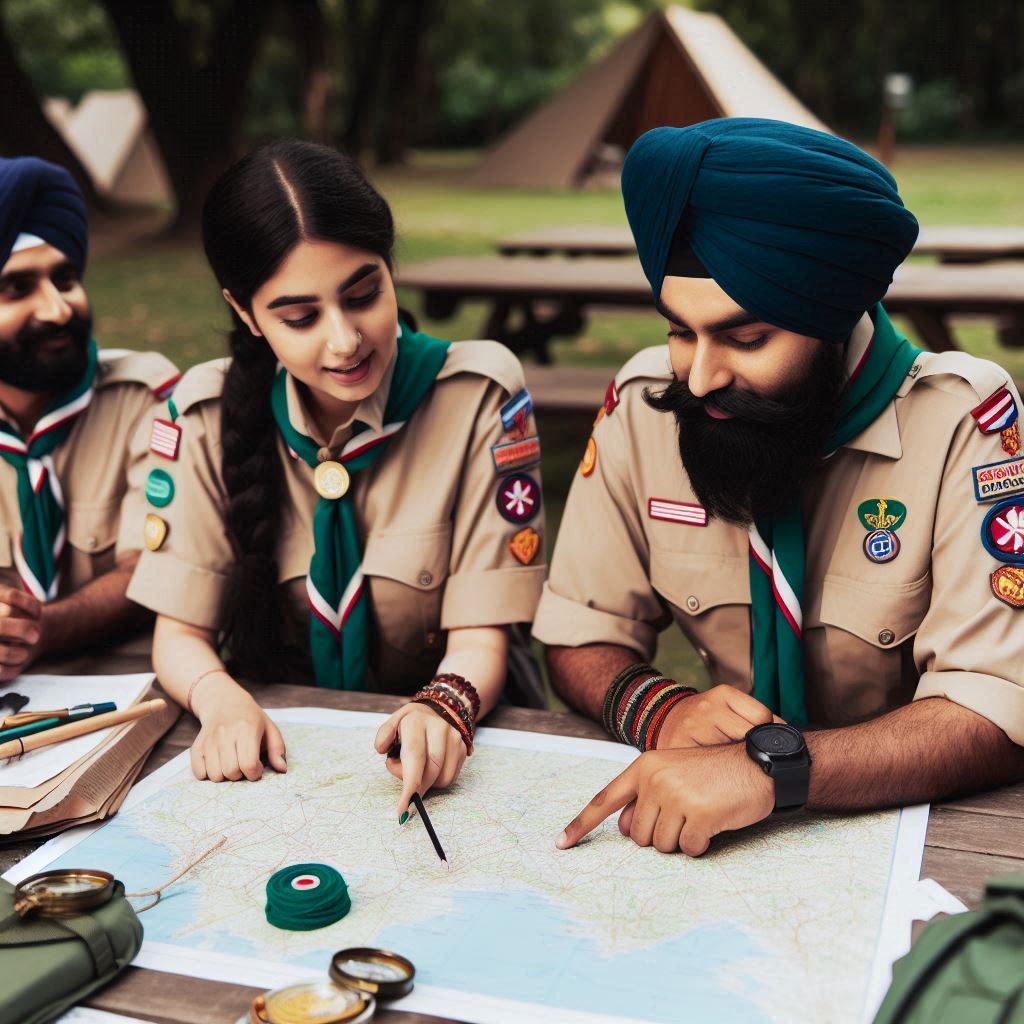
Old Ways, New Twists
Some leaders are deliberately pushing things back outdoors:
- Running sessions outside whenever possible
- Using tarps instead of always defaulting to the hall
- Creating “outdoor halls” on school fields
Others are keeping important traditions alive:
- Opening and closing ceremonies that build routine and respect
- Real responsibility for Sixers and Patrol Leaders
- Teaching Scouting history alongside modern skills
It doesn’t have to be perfect. It just has to be purposeful.

Enjoy It—Seriously
This might be the most important bit, and it’s the one new leaders often overlook.
If you’re not enjoying the programme:
- It becomes hard work
- It becomes stressful
- And eventually, it becomes unsustainable
Start with activities you genuinely enjoy. Lean on other leaders for the stuff you don’t (yet). Laugh with your team. Make mistakes together.
Young people can absolutely tell when their leaders are having fun—and it’s wonderfully contagious.

Your Final Reminder
One leader with decades of experience in Scouting put it beautifully:
“Badges exist to help you run programmes—not the other way around.”
Keep that thought close when you’re planning. The programme isn’t about manufacturing badge completions. It’s about creating experiences, building skills, fostering friendships, and nurturing confident young people who are ready for their next adventure.
You’ve got this. And remember—every experienced leader was once exactly where you are now, staring at that blank planner and wondering where to start.
Start big. Plan together. Let the young people lead. And most importantly, enjoy the journey.
What programme planning advice has helped you most? Share your tips with other new leaders in the comments below.









No comments