

It’s the response every Scout Leader has heard when mentioning any parade inparticular The Remembrance Sunday Parade. And if we’re honest with ourselves, our young people have a point. Standing in formation doesn’t quite match the adrenaline of abseiling down a rock face, the adventure of paddling a kayak down the River Thames, or even that first night under canvas, away from the comfort of home.
Yet here’s what never ceases to amaze me: when we ask them to attend, they come. And they come in numbers.
A Different Kind of Parade
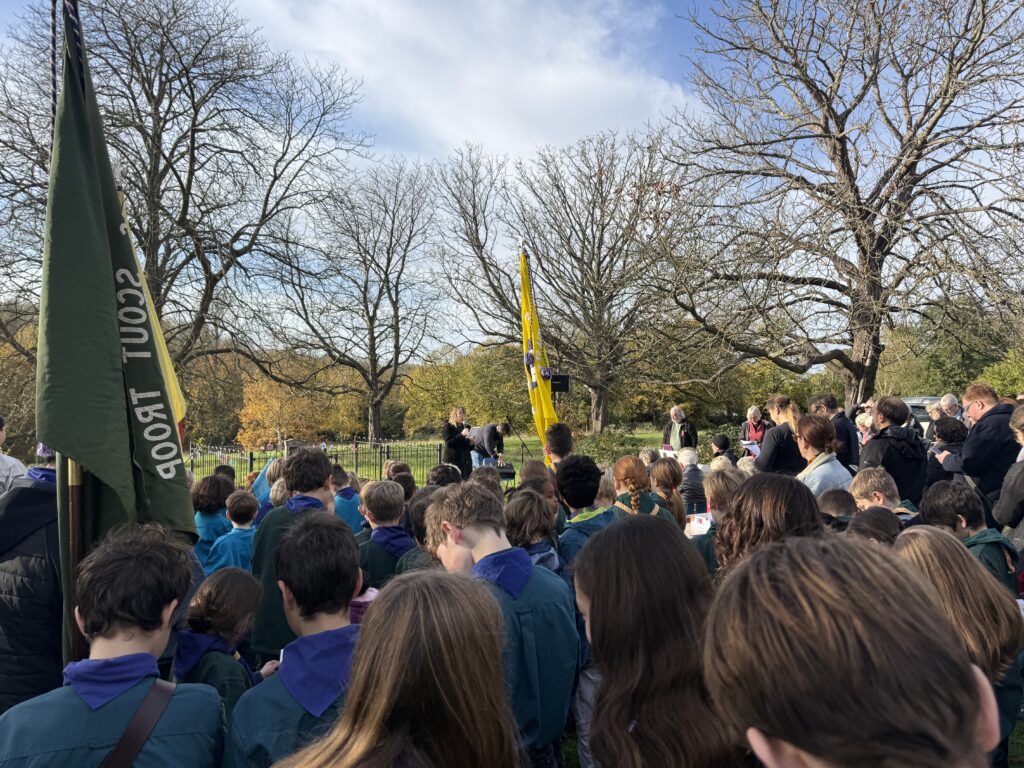
Yesterday morning, under unexpectedly warm November sunshine, our group gathered in the local park for Remembrance. This wasn’t the main town parade with its military precision and district-wide gathering of uniformed organisations. For the second year, we’d been invited by another Scout group to something more intimate, more connected to our movement’s history: an outdoor service at the town’s Scout memorial—a monument dedicated to those young Scouts who never came home from the World Wars.
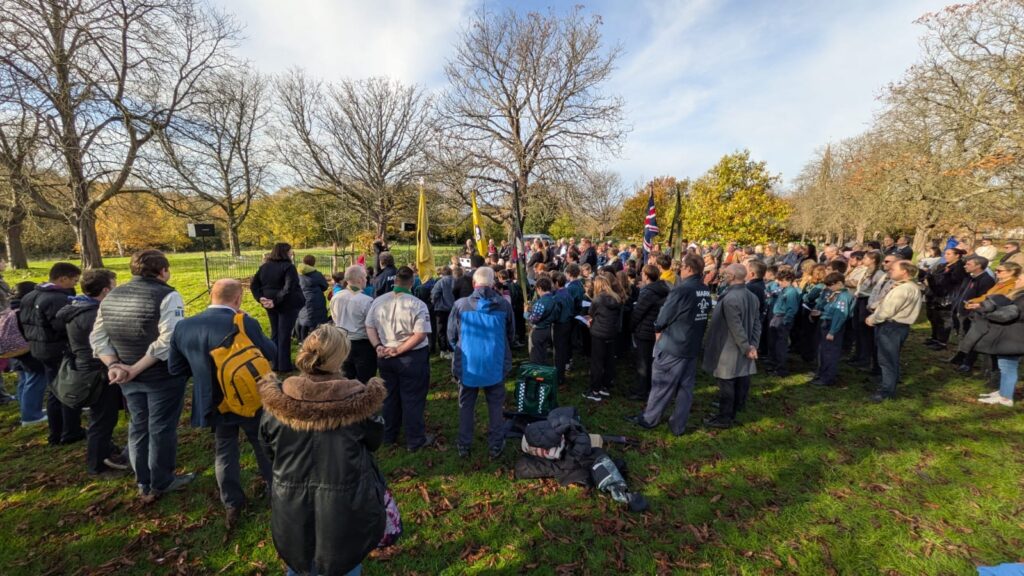
The turnout from our group was remarkable. The park filled with every section, from squirrels to Scouts and a handful of Young Leaders, their uniforms a sea of colour against the autumn grass and leaves. But what struck me most were the faces beyond our own—the members of the public who’d stopped to watch, and not just proud parents with cameras. Local residents, people running the in park,dog walkers, families who happened to be passing through. All pausing to witness something increasingly rare: young people voluntarily gathering to remember.
When Heritage Becomes Real
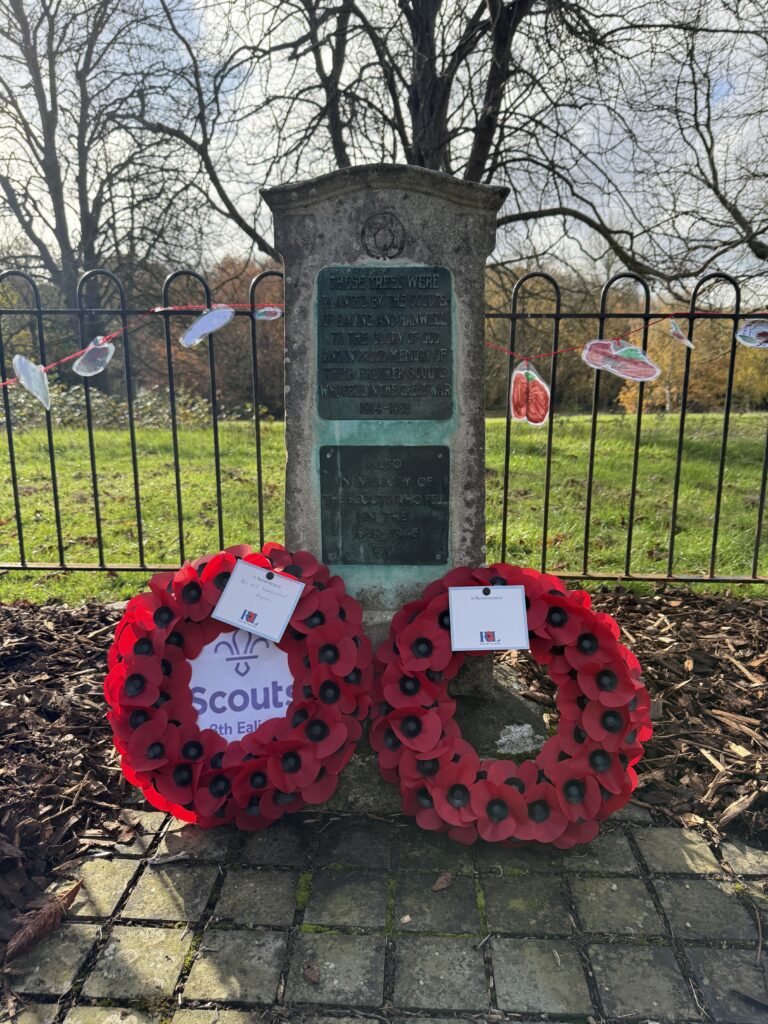
This year, two of our Scouts stood before everyone and read prayers with voices that only occasionally wavered. In their hands was also a story about the memorial itself: on 11th June 1922, it was formally dedicated in the presence of the Earl of Meath, a great friend of Lord Baden-Powell himself. The Earl, despite being over eighty years old, insisted on wearing shorts just like the Boy Scouts did back in those days.
I watched the young people’s faces as they heard this. You could see it—the moment when a stone monument became something more. When history stopped being boring dates in a textbook and became real people who believed so deeply in what we still do today that they wore shorts into their eighties to stand in solidarity with youth.
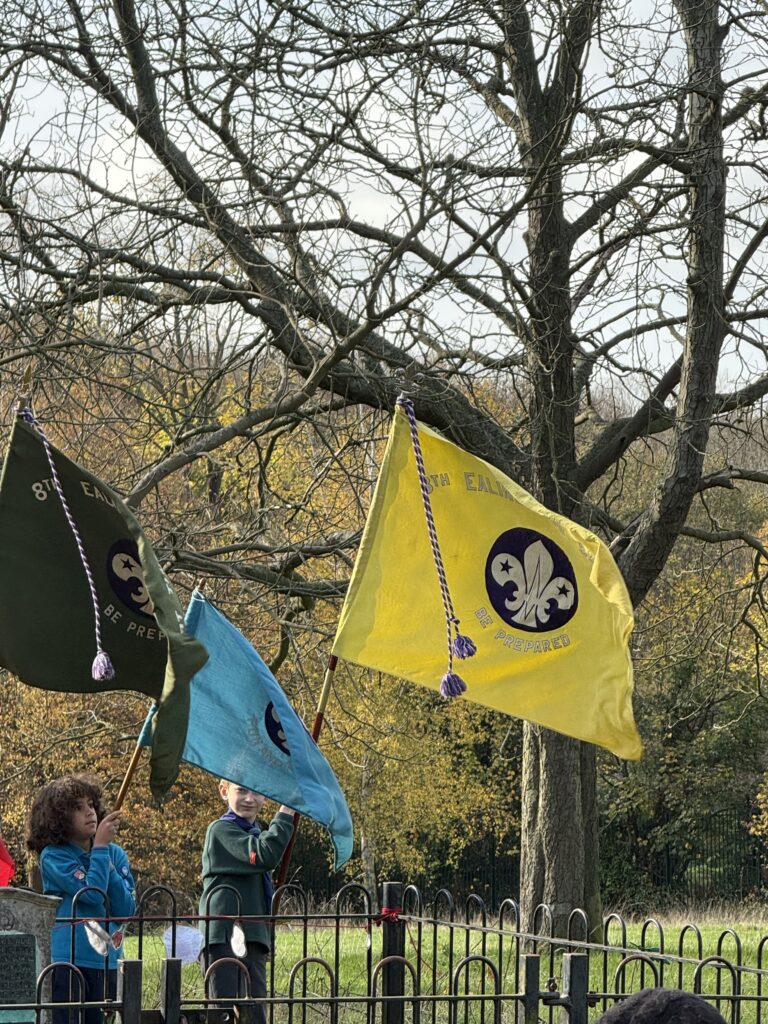
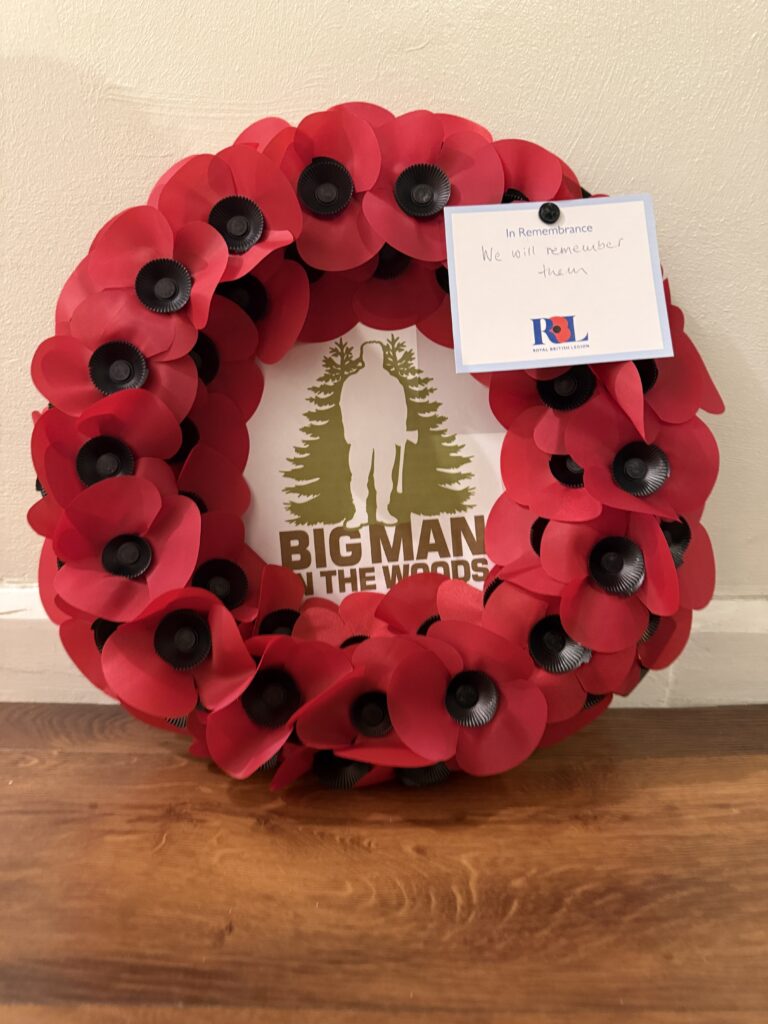
Our flag bearers held their standards steady in the breeze. A Cub, small hands gripping the poppy wreath with determined concentration, laid it carefully at the base of the memorial.
The Paradox We Navigate
Here’s the tension we live with as Scout Leaders: we know that Scouting’s magic lies in adventure, challenge, and freedom. We understand that young people join us for the camps, the expeditions, the skills that make them feel capable and alive. Standing still in uniform on a Sunday morning doesn’t obviously fit that promise.
Yet something profound happens at these “boring” events. Our young people learn that some things matter beyond personal enjoyment. They discover that being part of something bigger than themselves—a movement with history, values, and purpose—means occasionally doing things simply because they’re important.
What the Public Sees
When those dog walkers stopped, when those families paused their Sunday morning, they saw what we sometimes forget to notice: a large gathering of young people who voluntarily chose to be there. Not for a TikTok moment. Not because they were promised something in return. But because they understand, perhaps more instinctively than we give them credit for, that remembrance matters.
In an age of declining youth engagement with civic life, when young people are often characterised as disengaged or self-absorbed, there they stood. Present. Respectful. Connected to a tradition that spans generations.
That visibility matters enormously. It reminds our communities that Scouting isn’t just alive—it’s thriving. That young people still want to belong to something meaningful. That the values Baden-Powell championed are still being passed to new generations.
The Complaining and the Showing Up
So yes, they’ll complain when we first announce it. They’ll call it boring in the group chat. Some will try to negotiate their way out of it as they have football match or Rugby training.And we should let them express those feelings honestly, that’s part of treating them as thinking individuals, not just uniformed automatons.
But here’s what I’ve learned: the complaining and the showing up aren’t contradictory. They can think it’s boring and understand it’s important. They can wish they were kayaking instead and stand with dignity for two minutes of silence. That’s not hypocrisy, that’s maturity.
Our job isn’t to pretend parades are as exciting as adventure activities. It’s to help young people discover that a full life includes both the thrilling and the solemn, the adventures we choose and the duties we accept, the moments that make us feel alive and the moments that connect us to those who gave their lives so we could have ours.
The Earl’s Shorts
I keep coming back to that detail about the Earl of Meath. Eighty years old, friend to the founder, and he wore shorts to stand with the Scouts. Not because it was comfortable or sensible at his age, but because it mattered to be one of them.
Perhaps that’s the real lesson from yesterday morning. We ask our young people to show up for these parades not despite them being different from rock climbing and canoeing, but because they’re different. Because learning when to stand still is as important as learning how to abseil. Because remembering those who came before us is what gives meaning to the adventures we have today.
And when they come, when they turn out in numbers on a sunny Sunday morning to stand in front of a memorial to Scouts who never got to experience all the adventures still ahead of them—they’re not just honouring the past.
They’re showing us who they’re becoming.









No comments