
The Day Scouting Became Official: How a Royal Charter Changed Youth Development Forever
#TurnbackTime
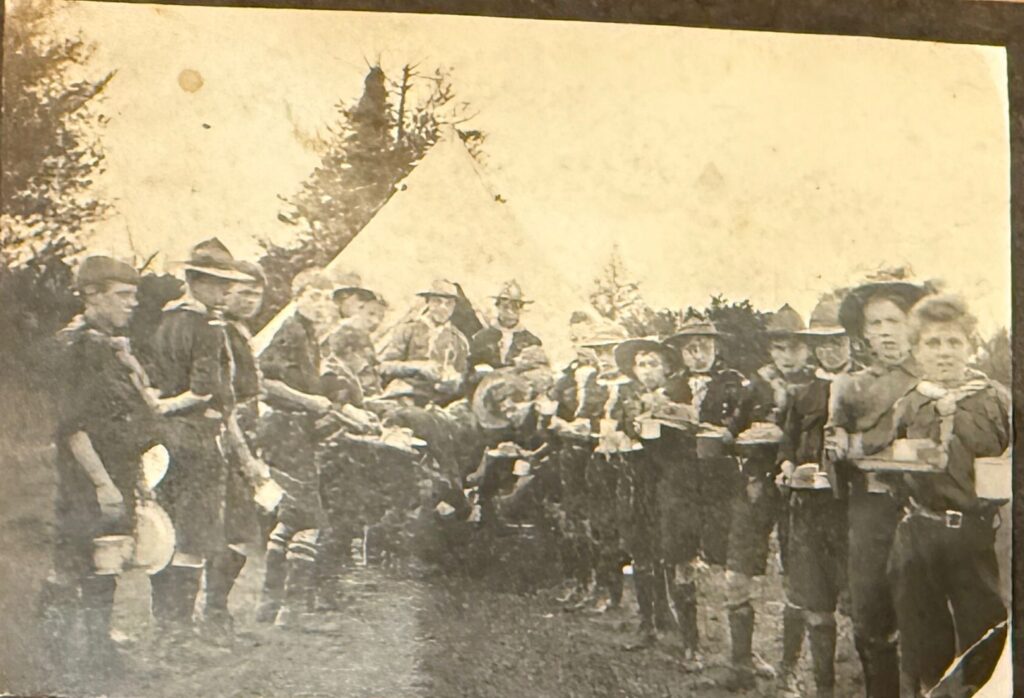
On January 4th, 1912, something remarkable happened that would shape the lives of millions of young people for generations to come. The Scout Association received its Royal Charter, officially incorporating the movement throughout the British Empire. What started as one man’s experimental camp just five years earlier had become a phenomenon worthy of royal recognition.
This date holds special significance for me personally. My own scout group was founded in this very same year, 1912, with A. H. Thornborrow serving as our first Scout Master. Knowing that my troop began in the same year that scouting received its royal charter, under the leadership of those pioneering volunteers like Mr Thornborrow, creates a tangible connection to this pivotal moment in history. We’re part of that first wave of officially chartered scout groups, and that legacy continues in our meetings and activities today.
From Experimental Camp to Imperial Movement
The story begins with Robert Baden-Powell, a British military hero who had gained fame during the Siege of Mafeking in the Second Boer War. But Baden-Powell wasn’t content with military glory. He’d noticed something troubling: young men in Britain seemed unprepared for life’s challenges, lacking practical skills, self-reliance, and a sense of purpose.
In the summer of 1907, Baden-Powell gathered 20 boys from different social backgrounds and took them to Brownsea Island in Poole Harbour. There, he tested his ideas about youth education through outdoor activities, camping, tracking, and what he called “scoutcraft.” The boys learned to tie knots, light fires, read maps, and work together. They wore uniforms, organized into patrols, and earned badges for their achievements.
The experiment was a resounding success, but even Baden-Powell couldn’t have predicted what happened next.
The Movement Nobody Could Stop
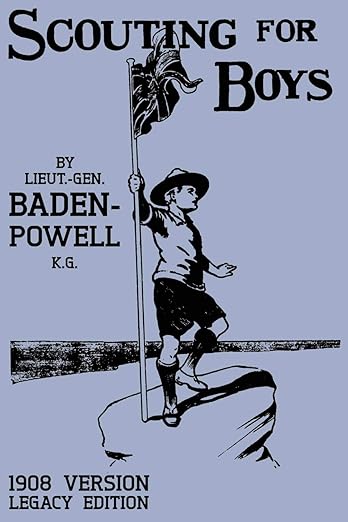
When Baden-Powell published “Scouting for Boys” in 1908 as a series of fortnightly installments, he intended it as a handbook for existing youth organizations. Instead, boys across Britain began forming their own scout troops spontaneously. They didn’t wait for adults to organize them; they simply started scouting.
Within months, thousands of boys had joined the movement. Within a year, scout troops had sprung up not just across Britain, but throughout the British Empire and beyond. Girls, not to be left out, began forming their own groups (which would eventually become the Girl Guides). The movement grew so rapidly that Baden-Powell resigned from the army in 1910 to devote himself full-time to scouting.
By 1912, the movement needed formal structure and recognition. The royal charter granted on January 4th provided exactly that, giving the Scout Association legal status and the authority to operate throughout the Empire. King George V himself became the patron, cementing scouting’s place in British society.
What Made Scouting Revolutionary
The Scout Association’s rapid rise wasn’t just about camping and badges. Baden-Powell had tapped into something deeper. His movement offered several revolutionary ideas for its time:
Cross-class mixing: At a time when British society was rigidly stratified, scout troops brought together boys from different social backgrounds. A factory worker’s son might patrol alongside the son of a lawyer, both wearing the same uniform and working toward the same goals.
Youth-led learning: Rather than top-down instruction, scouting emphasized older boys teaching younger ones, with adults serving as facilitators. The patrol system gave boys genuine responsibility and leadership opportunities.
Practical education: While formal schooling focused on academic subjects, scouting taught practical life skills. Boys learned first aid, cooking, navigation, and problem-solving through hands-on experience.
Character development: The Scout Promise and Law weren’t just rules but a framework for ethical development. Baden-Powell believed that building character was as important as building skills.
Adventure and fun: Perhaps most importantly, scouting made learning enjoyable. Boys wanted to participate because it was exciting and gave them autonomy their everyday lives often lacked.
The Global Impact

The 1912 royal charter formalized scouting’s structure, but it couldn’t contain the movement to the British Empire. Scouting had already spread to countries around the world, adapted to local cultures while maintaining core principles.
Today, the World Organization of the Scout Movement includes more than 170 countries and territories with over 59 million members. From its beginning with 20 boys on an island, scouting has become one of the largest youth movements in history.
The movement has evolved significantly since 1912. Women can now be scout leaders in most countries, and many national organizations have become fully co-educational. The activities have modernized, incorporating technology, environmental conservation, and global citizenship alongside traditional outdoor skills.
A Legacy Still Growing
When King George V granted that royal charter on January 4th, 1912, he recognized more than just a popular youth organization. He acknowledged a new approach to youth development that emphasized experiential learning, personal responsibility, and service to others.
The principles Baden-Powell established that day on Brownsea Island in 1907 and formalized with the royal charter in 1912 continue to resonate. In an age of smartphones and social media, millions of young people still gather in scout halls and campsites to learn skills, build friendships, and challenge themselves.
The royal connection established in 1912 remains strong today. King Charles III serves as Patron of the Scout Association, continuing the tradition of royal patronage that began with his great-great-grandfather King George V. In 2020, HRH The Duchess of Cambridge, became Joint President of the Scout Association alongside the Duke of Kent, making history as the first woman to hold this position in the organization’s history. A former Brownie herself,The Duchess of Cambridge has been actively involved with Scouting, regularly visiting groups and participating in activities with young scouts, demonstrating that the movement continues to inspire people at all levels of society.
The Scout Association’s royal charter didn’t create the scouting movement, but it gave it the foundation to become a permanent institution. Over a century later, that institution continues to shape young lives, proving that Baden-Powell’s experimental camp sparked something truly timeless.
What aspects of the scouting movement do you think remain most relevant today? Share your thoughts in the comments below.









No comments