

On a recent live vlog, I discussed badges, particularly sponsored badges, and posed the question to Scout Leaders around the world: Do you think the number of sponsored badges is turning our young people into walking advertisement boards?
So, let’s dive into the vlog from a few weeks ago where I talked about sponsored badges. Many Scout Leaders are complaining about sponsored activity badges. For example, the Nights Away badge, which is sponsored by Go Outdoors. The actual number of nights away is tiny—you have to zoom in to see the number at the bottom of the lantern on the badge. The sponsorship logo is larger than the actual badge itself.
We see this trend across various badges:
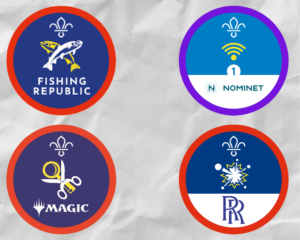
– The Angler badge sponsored by Go Outdoors.
– The Cyclist badge sponsored by the UK Space Agency and Go Outdoors.
– The Hobbies badge sponsored by Magic.
– The Model badge sponsored by Warhammer.
– The Scientist badge sponsored by Rolls Royce.
– The Survival badge sponsored by Victorinox.
Scout Leaders have raised concerns: Are we turning our Scouts into walking advertisement boards? It got me thinking—maybe that’s true. These sponsorships do help reduce the cost of badges and provide us with resources. For example, for the Model badge, you can use Warhammer models, build and paint them over a few weeks, and then learn how to play Warhammer games.
Sponsorships also offer resources. Companies provide ideas on how to run these badges or offer visits to their facilities. For instance, you can visit Heathrow Airport for a related badge activity. However, some Leaders question if these badges should be cheaper to purchace since they include advertising.
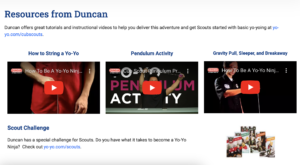
In the U.S., there’s a yo-yoing adventure for clubs sponsored by Duncan Toys. While this helps reduce costs and provides resources, it does bring up a balance issue—are we focusing more on the sponsors than on the Scouts and their learning?
Some Scout Leaders pointed out that some sponsored badges, like the Airfix models for Cubs, are too basic. There’s a call for more challenging models for Scouts. Others believe that if companies sponsor Scout badges, we shouldn’t have to pay as much for them since they’re providing free advertising.
Ultimately, the key is the skills learned and having fun while using resources wisely. It’s a balance, and as long as the focus remains on Scouts and their learning, sponsorship can be beneficial.
I wanted to pose these questions to you: Do you think Scouts are becoming walking advertisement boards? Should these badges be cheaper? What do you want from sponsored badges?
Let me know your thoughts!








No comments